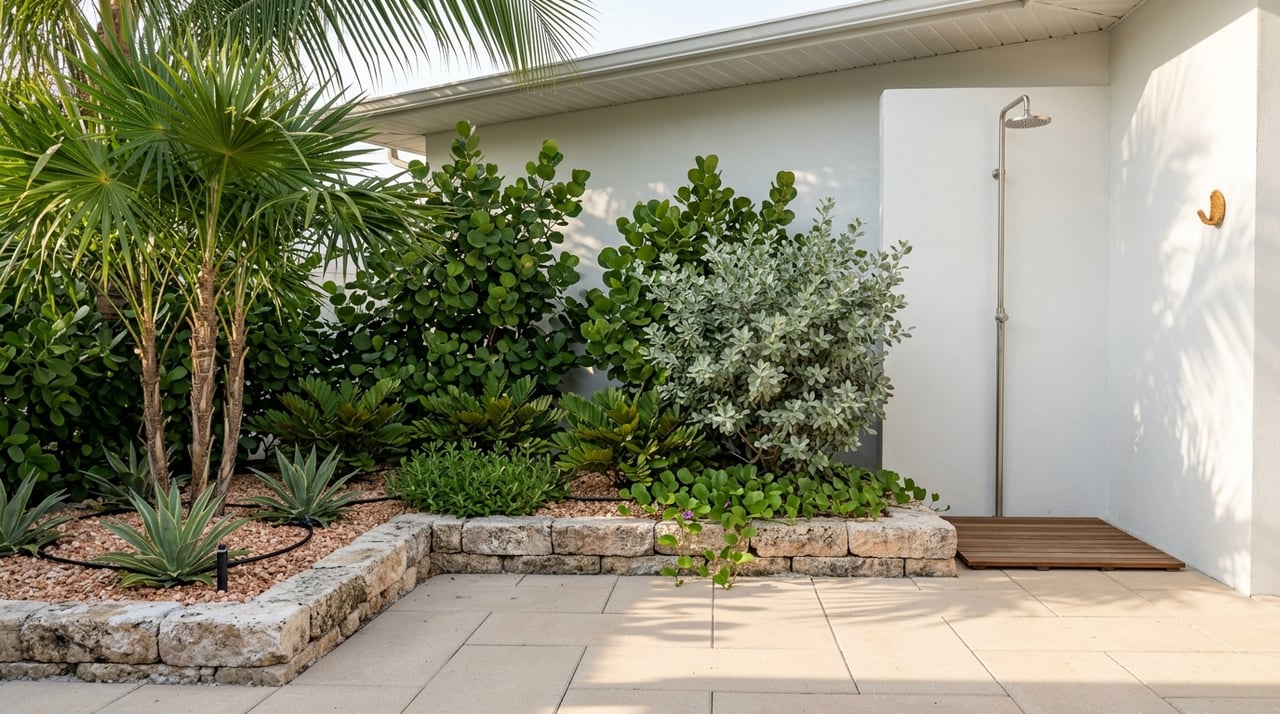
Salt air can be tough on a backyard, but in Marathon, it is simply part of daily life. If you want an outdoor space that looks inviting without becoming a constant battle, the key is choosing plants and materials that fit the Keys instead of fighting them. With the right layout, plant palette, and maintenance plan, you can create a backyard that feels relaxed, polished, and much easier to care for. Let’s dive in.
Start With Marathon Conditions
Before you pick plants or pavers, it helps to know what your yard is up against. Marathon is hot, humid, rainy in summer and fall, and rarely sees freezing temperatures, according to NOAA climate normals. July and August average highs are above 90°F, so sun exposure and water use matter even in tropical landscapes.
The soil also shapes what works. In the Florida Keys, soils are typically alkaline and often shallow, gravelly, and low in organic matter because of the underlying limestone. That means many common mainland landscaping choices struggle here, especially if they prefer richer or more acidic soil.
Then there is the coastal factor. Salt spray, saltwater flooding, king tides, and periodic yard flooding are all part of life in Monroe County, especially from September through December when king tides are common. A backyard plan in Marathon needs to account for sun, salt, drainage, and occasional inundation.
Choose Salt-Friendly Plants First
A Marathon backyard tends to do best when the toughest plants go in the most exposed spots. UF/IFAS coastal guidance supports this layered approach, using the strongest salt-tolerant species where wind and spray hit hardest, then placing less exposed plants farther in. That simple strategy can save you time, money, and frustration.
Best Plants For Exposed Areas
If part of your yard gets direct salt spray, focus on plants known for high salt tolerance. Good options for exposed edges, privacy screening, or structure include:
- Green or silver buttonwood
- Seven-year apple
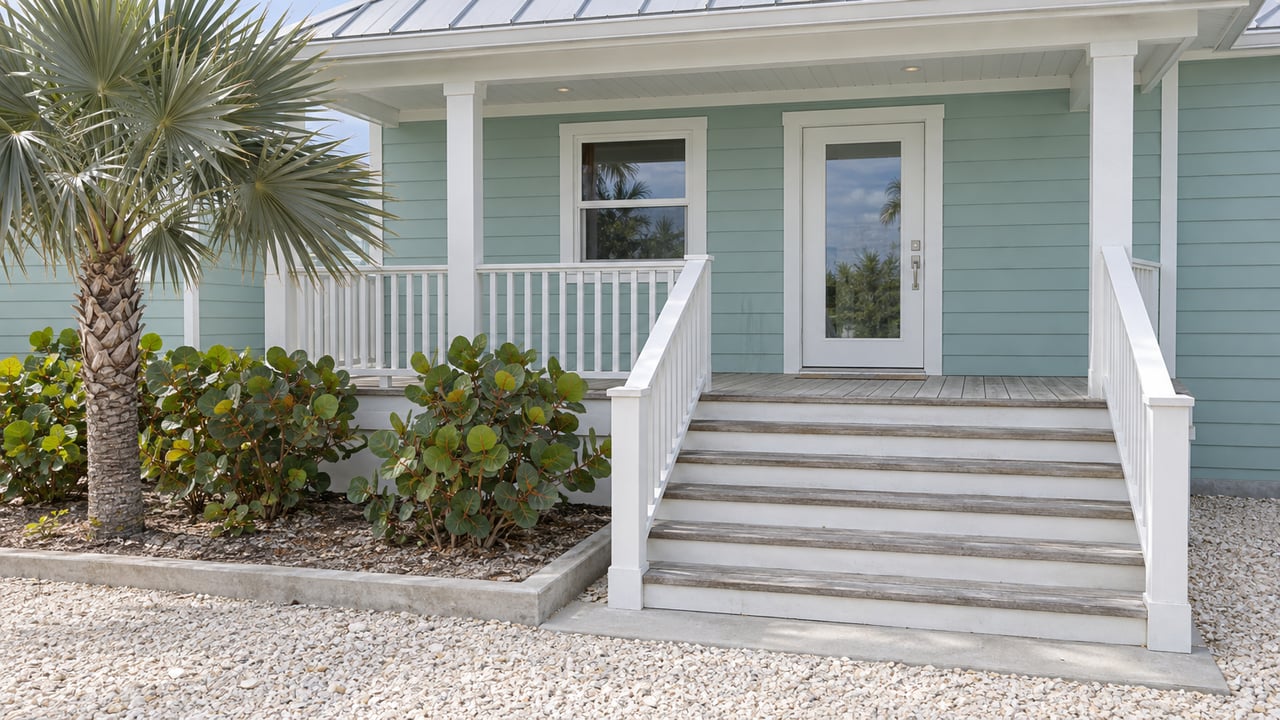
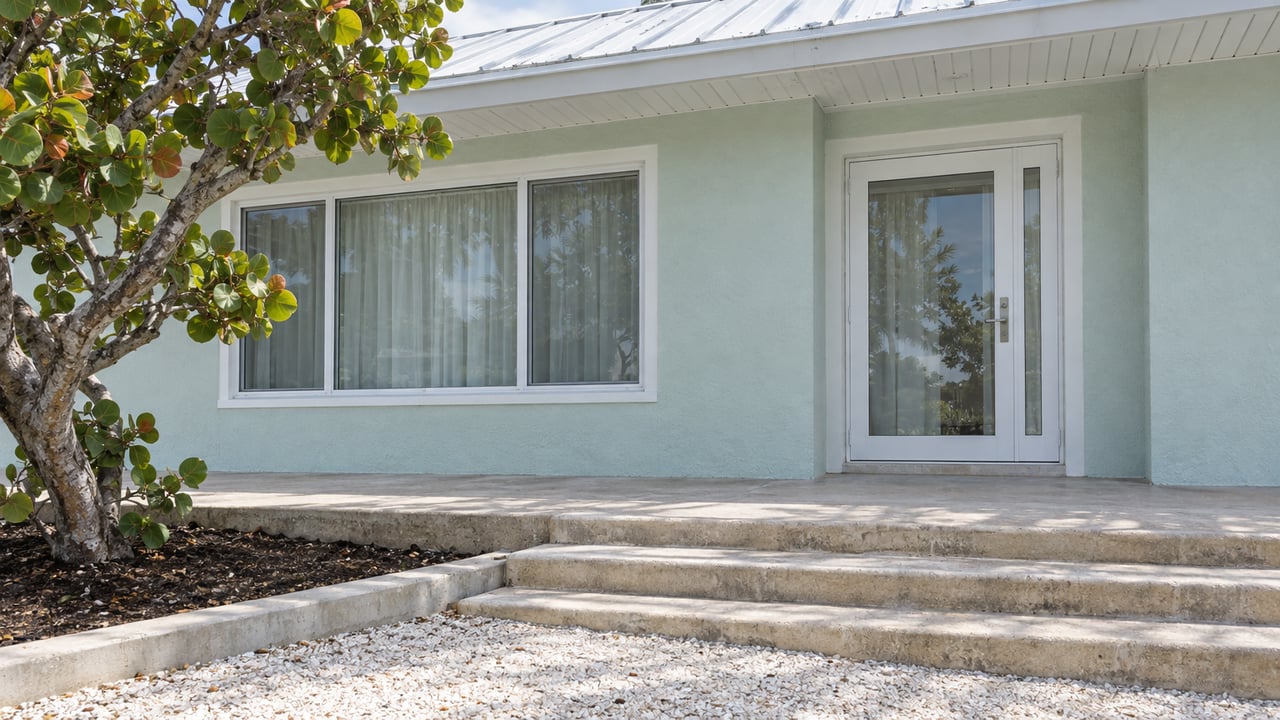
- Sea grape, away from protected dune areas
- Necklace pod
- Sea oats
- Railroad vine
These plants are better suited to the harshest coastal conditions. Buttonwood, for example, is noted by UF/IFAS for handling full sun, alkaline soils, and salty conditions well.
Color And Texture For Mid-Yard Spaces
Once you move into slightly more sheltered parts of the yard, you can add softer texture and seasonal color. Coastal-friendly choices include:
- Beach sunflower
- Blanketflower
- Seaside goldenrod
- Seaside joyweed
- Pink muhlygrass
- Coontie
- Gopher apple
These plants help a yard feel more layered and finished without asking for a lot of fuss. They also work well when you want a natural, low-profile look that fits the Keys.
Shrubs And Groundcovers For Lower Upkeep
For homeowners who want less mowing and less maintenance, shrubs and groundcovers can do a lot of the heavy lifting. Gopher apple is useful for sandy or erosion-prone areas, while coontie offers drought tolerance and a clean, durable look. Cocoplum and saw palmetto can also work in coastal settings, depending on the lot and your goals.
Build Your Yard In Zones
One of the smartest ways to landscape a Marathon backyard is to think in zones instead of treating the whole yard the same. A coastal lot often has micro-conditions, with one corner taking full salt spray and another staying more sheltered. When you match each area to the right use, the whole yard performs better.
Zone 1: The Most Exposed Edge
This is the area closest to open water, road spray, or prevailing salt wind. It should get your toughest plants, especially dune or coastal-strand style species that can take salt, wind, and leaner soil. In many yards, this is also where erosion control plants like railroad vine or sea oats make sense.
Zone 2: The Middle Layer
The next band can use shrubs and small trees to create privacy, soften views, and filter wind. Buttonwood, necklace pod, cocoplum, and similar salt-tolerant plants can help form this transition area. This layer often gives the yard its structure.
Zone 3: The Most Sheltered Space
The inner part of the backyard is usually best for seating areas, patios, and plants that need a little more protection. This is where you can create that relaxed island feel with mulch beds, containers, or less salt-hardy ornamentals if conditions allow. Keeping your living space in the most protected zone can also reduce wear and tear on furniture and finishes.
Keep Lawns Small And Practical
Yes, you can still have a lawn in Marathon, but smaller is usually smarter. Turf often needs more water, mowing, and maintenance than planted beds or mulched areas, especially in salty conditions. If you want grass, UF/IFAS identifies St. Augustinegrass and zoysiagrass as the better homeowner choices for salty sites.
Instead of trying to cover the whole backyard in turf, use lawn only where it adds real value. A small patch for pets, play, or visual balance is often enough. The rest of the yard can be handled with planting beds, mulch, or porous hardscape.
Use Mulch And Porous Hardscape
In Marathon, hardscape should work with water, not against it. UF/IFAS recommends porous materials like mulch and pavers to help reduce runoff and support better drainage. That matters on compact lots where heavy rain and tidal flooding can quickly create standing water.
Why Mulch Works Well
Mulch can make a backyard look finished while also cutting down on maintenance. According to UF/IFAS, mulch helps control weeds, hold moisture, moderate soil temperature, and reduce mowing where grass does not grow well. Organic mulches such as melaleuca, eucalyptus, pine straw, or bark are recommended, while cypress mulch is not.
Better Hardscape Choices
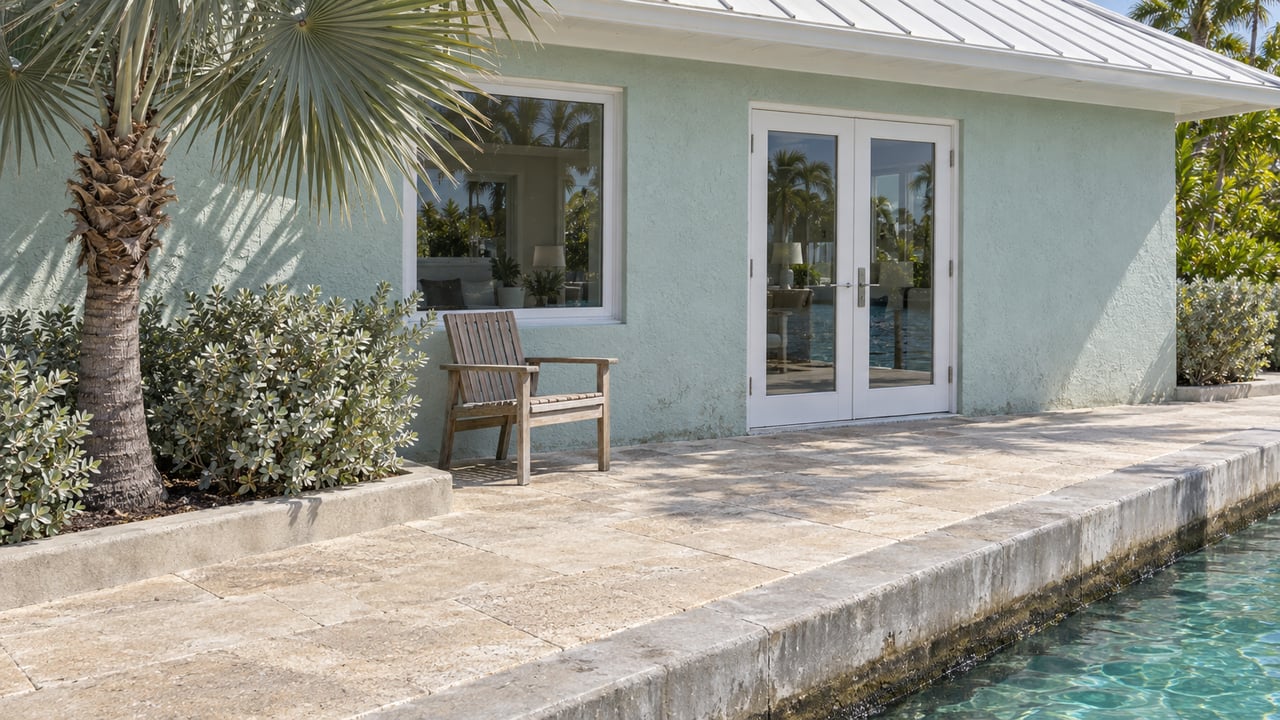
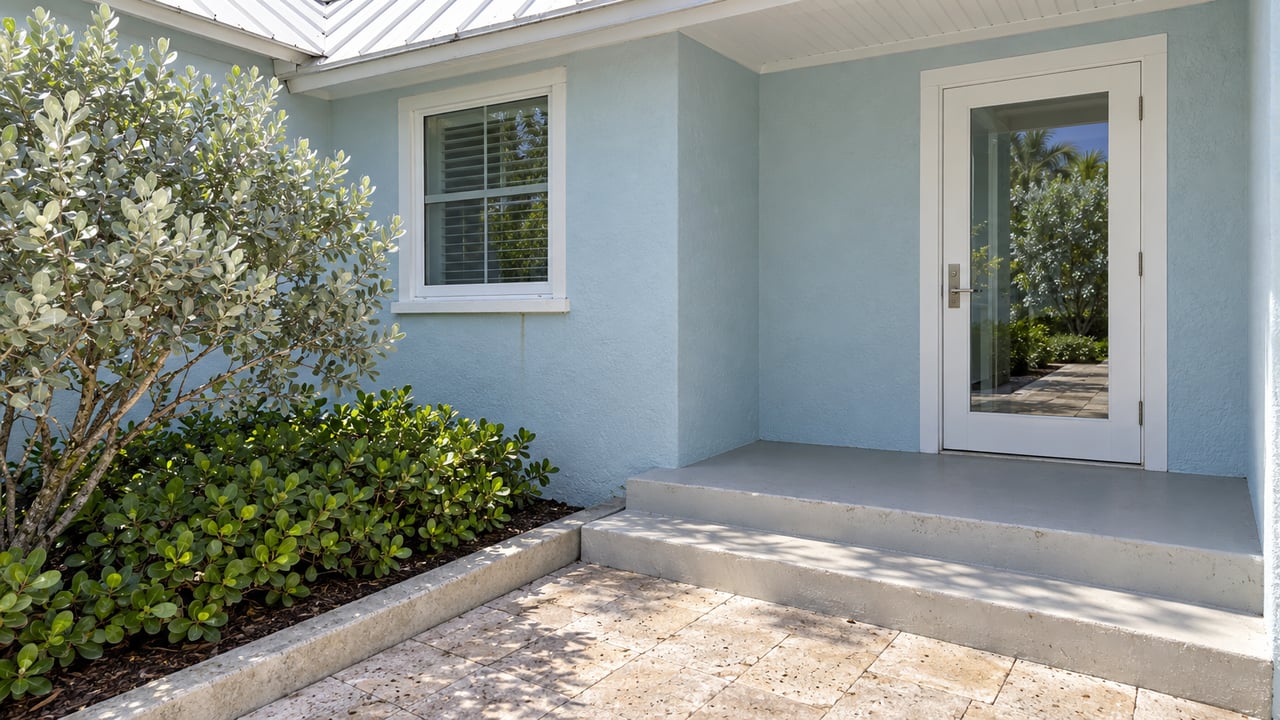
If you are adding a patio, path, or seating area, consider permeable or porous surfaces instead of creating one large solid paved area. This can help stormwater soak in rather than run off. Rain gardens, cisterns, rain barrels, and downspouts directed into beds can also help keep water on site.
Be Careful Near The Water
If your property is waterfront, the planting strategy should be even more thoughtful. UF/IFAS recommends a maintenance-free buffer at least 10 feet wide where mowing, fertilizing, and pesticide use stop. Monroe County also encourages native, drought-friendly plants that absorb water and need little or no fertilizer.
This kind of buffer can support lower maintenance while helping manage runoff. It can also make the edge of the property feel more natural and better suited to the waterfront setting.
If your lot borders dunes or native beach vegetation, avoid disturbing those areas. Florida law protects dune systems and the vegetation growing on them, including sea grape in its natural coastal setting.
Water And Fertilize Carefully
A common mistake in coastal yards is assuming salt-tolerant plants can simply be planted and ignored. Even plants that handle salt still need fresh water while they get established. Salt stress can come from spray, flooding, or even poor irrigation water quality, so early care still matters.
It also helps to avoid overfertilizing. UF/IFAS notes that too much fertilizer can increase pest pressure and contribute to water pollution. Fertilizer should be kept at least 10 feet from water bodies, and it is best not to apply it before heavy rain.
Remember Salt Tolerance Is Not Flood Tolerance
This is one of the most important points for Marathon homeowners. A plant may handle salty air and salt spray very well, but that does not always mean it can survive storm surge or repeated saltwater inundation. In a place where king tides and tidal flooding can affect yards, that distinction matters.
When planning a backyard, think about whether an area just gets wind-driven salt or whether it also floods. The answer may change what belongs there.
A Simple Backyard Formula That Works
If you want a Marathon backyard that looks good and stays manageable, keep the plan simple:
- Use native or Florida-Friendly plants suited to heat, salt, and alkaline soil
- Put the toughest plants in the most exposed areas
- Limit turf to spaces where you truly want it
- Use mulch to reduce weeds and maintenance
- Choose porous pavers or similar hardscape when possible
- Group plants by similar water needs
- Create a low-input buffer near the water
That formula fits how people actually live in the Keys. It supports curb appeal, keeps upkeep more reasonable, and helps your outdoor space feel like it belongs in Marathon.
Whether you are refreshing your current backyard or evaluating a property with outdoor potential, local conditions make all the difference. If you are looking for a home where the yard, water access, and lifestyle all line up, Jen Davis can help you find the right fit in Marathon.
FAQs
Which plants can handle direct salt spray in a Marathon backyard?
- Strong choices for direct salt spray include buttonwood, seven-year apple, sea grape in appropriate settings, necklace pod, sea oats, and railroad vine.
Can you have a lawn in a Marathon backyard?
- Yes, but a smaller lawn is usually easier to maintain, and UF/IFAS recommends St. Augustinegrass or zoysiagrass for salty home lawn sites.
What should you plant closest to the water in Marathon?
- The closest areas to the water are best suited to the toughest coastal plants and a low-maintenance buffer with little or no mowing, fertilizing, or pesticide use.
How do you make a coastal backyard lower maintenance?
- Use salt-tolerant plants, limit turf, add mulch, group plants by water needs, and choose porous hardscape that supports drainage.
How much of a Marathon backyard should be mulch or pavers?
- There is no single rule, but many Marathon yards work better when lawn is limited and more space is given to mulch beds and porous hardscape that reduce upkeep and runoff.
Do salt-tolerant plants also handle flooding?
- Not always, because salt tolerance does not necessarily mean a plant can survive storm surge or repeated saltwater flooding.