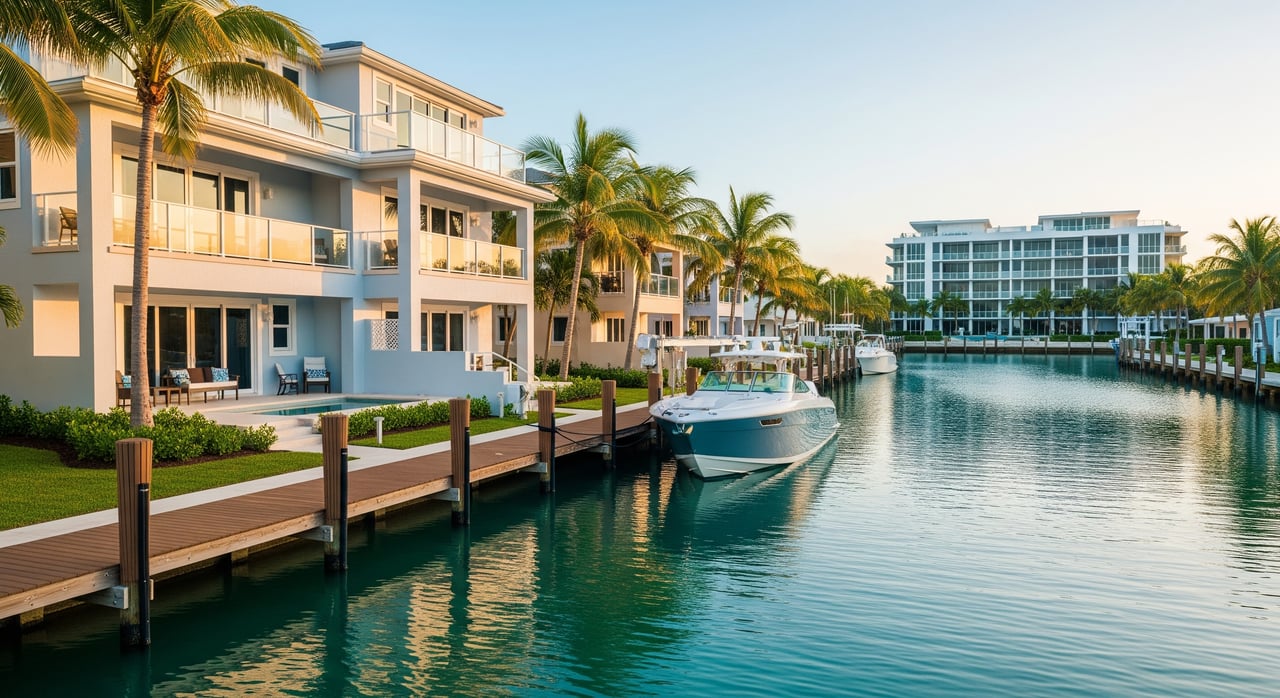
Salt air, canal views, and a boat at your back door. If that sounds like your Florida Keys plan, your next decision is simple but important: condo or townhome in Key Colony Beach. Each option offers a different mix of maintenance, dockage, insurance, and control. In this guide, you’ll learn how ownership and HOA rules work here, what to expect with docks and seawalls, and the true costs and lifestyle tradeoffs so you can choose with confidence. Let’s dive in.
Key Colony Beach snapshot
Key Colony Beach is a small, incorporated island community in Monroe County with a strong boating and fishing culture. Many homes sit on canals or near open water, which is part of the appeal. It is also a hurricane-prone coastal zone where flood maps, wind codes, and permitting shape what you can repair or build. Rental rules vary by association and by local ordinance, so you need to confirm them before you buy if rental income matters to you.
Condos in Key Colony Beach: How they work
Ownership and governance
In a condominium, you own the interior of your unit and a share of the common elements. A condo association manages the exterior and shared areas, enforces rules, and levies assessments based on a budget and reserves. Florida’s Condominium Act governs notice, voting, disclosures, and many operational standards.
Maintenance and what the association covers
Condo associations usually handle building exteriors, roofs, common plumbing and electrical, landscaping in common areas, pools, elevators if present, and any docks that are common or limited common elements. Because so much is covered, monthly dues tend to be higher and include reserve contributions. After storms, large projects can lead to special assessments if reserves or insurance deductibles fall short.
Insurance basics for condos
The association carries a master policy for the building shell and common elements. You carry an HO-6 policy for your unit’s interior finishes and contents. Windstorm coverage and the master policy deductible matter because hurricane losses can lead to owner assessments. Flood insurance is also key if you have a mortgage, and premiums can be significant in coastal flood zones.
Townhomes in Key Colony Beach: What to know
Fee-simple vs condo-form townhomes
Townhomes here come in two legal forms. Many are fee-simple homes with an HOA that manages roads, landscaping, or shared amenities under Chapter 720. Others are townhomes legally structured as condominiums under Chapter 718, where the association may handle more exterior responsibilities. The only way to know is to read the recorded declaration and plats.
Maintenance and owner responsibility
In fee-simple townhomes, you often maintain your own exterior, roof, driveways, and sometimes seawalls and docks, unless the HOA says otherwise. Dues may be lower, but you coordinate contractors and pay for big items directly. If the townhome is condo-form, responsibilities look more like a traditional condo and are spelled out in the documents.
Insurance for townhomes
You may need a full dwelling policy that covers both exterior and interior, plus flood and wind coverage. HOA master policies, if any, typically cover only common areas or association-owned structures. Coverage specifics always depend on the governing documents and the policy language.
Lifestyle tradeoffs you’ll feel day to day
- Condo advantages: Lower day-to-day maintenance, convenient shared amenities, and easier lock-and-leave living. Associations often coordinate building prep and recovery when storms threaten.
- Condo tradeoffs: Less control over exterior changes, closer neighbors, and potential exposure to special assessments after major weather events. Rental rules can be more restrictive.
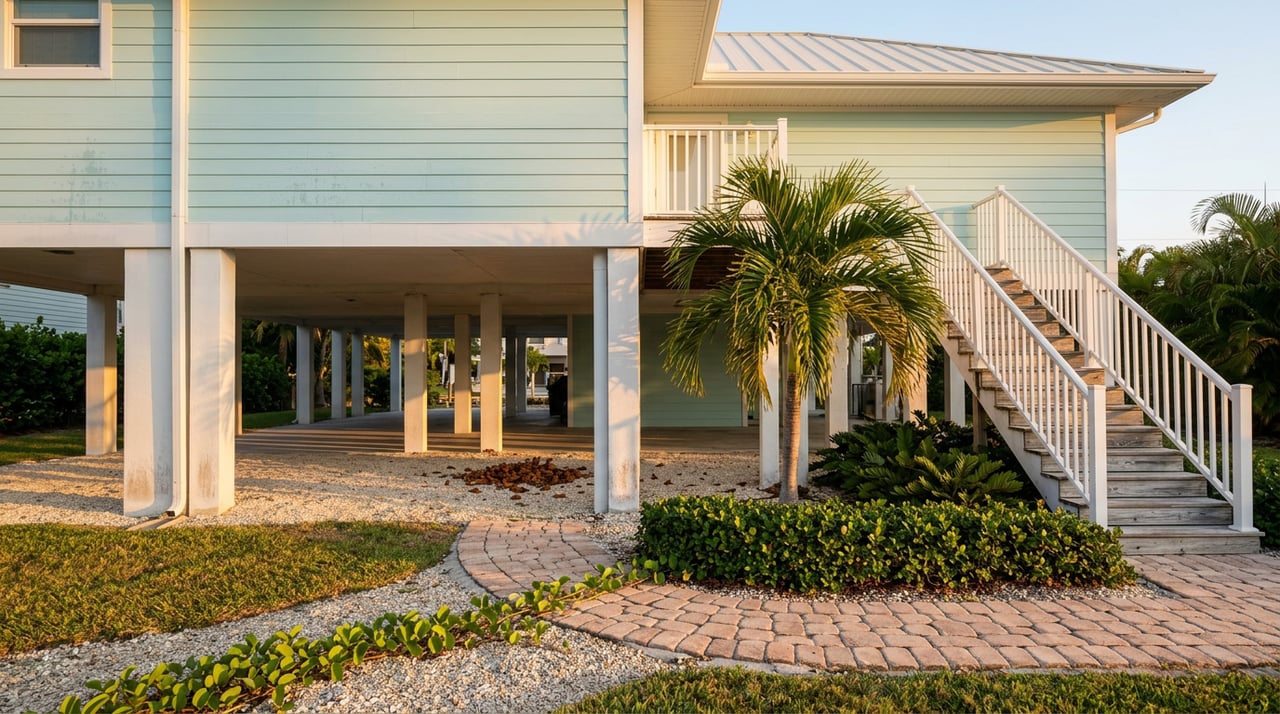
- Townhome advantages: More privacy and a house-like layout with a private entrance, often a garage or extra storage for fishing and boating gear. You may have direct or assigned dockage depending on the community.
- Townhome tradeoffs: More hands-on maintenance and the need to arrange repairs yourself, which can be challenging if you are off-island. If dockage is HOA-managed, there could be waitlists or allocation rules.
Local practicalities matter. Many condos are in low to mid-rise buildings with stairs or elevators, while townhomes are multi-level with direct street access. If mobility or hauling gear is a factor, think about access and storage as part of the decision.
Dockage, seawalls, and boat access
Dock rights vary widely and can be the biggest swing factor for boaters.
- How slips are assigned: In some condo communities, slips are limited common elements assigned to specific units. Others manage slips as association property with rules for allocation or lease.
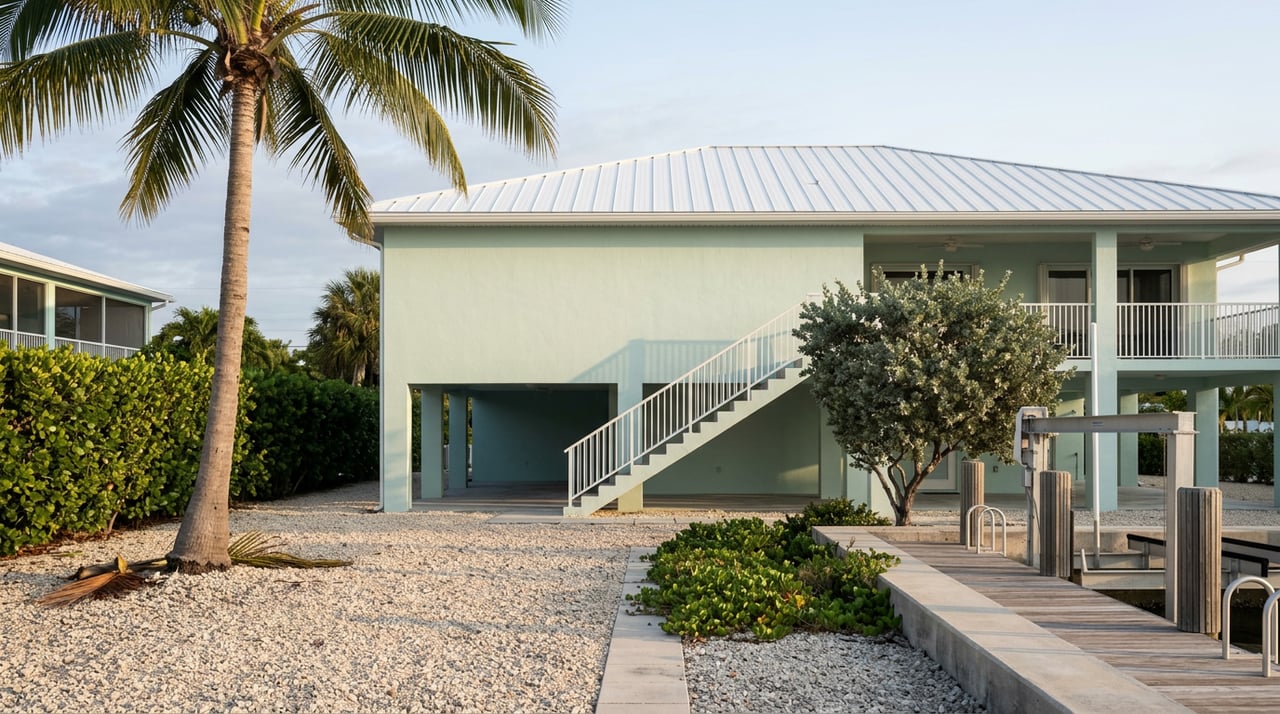
- Private docks: Fee-simple waterfront townhomes may own docks and seawalls outright, which usually means you handle maintenance and permitting.
- Permits and constraints: Work on docks, lifts, and seawalls can involve the municipality, Monroe County, state agencies, and the U.S. Army Corps of Engineers. Environmental resources like seagrass and mangroves can limit placement or require mitigation.
- Costs and responsibilities: If docks are a condo common element, the association budgets for upkeep, but underwater work is expensive and can trigger assessments. If you own the dock, you plan and pay for repairs, piling replacements, and any needed dredging.
Before you buy, confirm:
- Whether a slip or lift is included, assigned, on a waitlist, or leased.
- Allowed vessel length, beam, and any horsepower limits.
- Who pays for seawalls, pilings, and dock repairs, and whether reserves exist for them.
- Navigational access details such as dredging history or shallow bars.
- Any recorded easements, riparian rights, or maintenance agreements.
Insurance, assessments, and the true monthly cost
Flood, windstorm, and liability coverage are central in Key Colony Beach. If you are financing, flood insurance is typically required. Premiums and deductibles can be meaningful, so gather quotes during due diligence. For condos, ask for the master policy certificate, the windstorm deductible, and how deductibles are allocated after a loss.
Association financial health matters. Review budgets, reserve studies, insurance certificates, meeting minutes, and any history of special assessments or litigation. Major items like roofs, elevators, docks, and seawalls should be included in reserves. Property taxes, HOA dues, and out-of-pocket maintenance form your real monthly cost. Condos often have higher dues but fewer surprise exterior bills, while townhome owners may pay less each month and more when big projects come due.
Which option fits your Keys lifestyle
- Choose a condo if you want a low-maintenance second home with shared amenities and association-managed exteriors. This can be ideal if you visit seasonally and prefer a simple lock-and-leave setup.
- Choose a townhome if you want more privacy, garage and storage space for gear, and greater control over exterior decisions. It often suits boat owners who want direct or guaranteed dockage and are comfortable managing maintenance or hiring local help.
Buyer checklist for Key Colony Beach
- Confirm the legal form: condo, fee-simple townhome with HOA, or a townhome structured as a condo.
- Review the association package: declaration, bylaws, rules, budgets, reserve study, insurance, minutes, and any special assessments.
- Nail down dockage: written slip assignment, size limits, waitlists, and who pays for seawalls and pilings.
- Verify permitting and history for docks, lifts, and seawalls, plus any past violations or required upgrades.
- Get insurance quotes for flood, wind, and unit coverage early in the process.
- Ask about hurricane plans, evacuation procedures, debris removal, and contractor coordination.
- Confirm rental rules and any local permits or taxes if you plan to rent.
- Check parcel data and property taxes to model your total cost of ownership.
Next steps
Every building and HOA in Key Colony Beach plays by its own set of documents. The right choice comes down to your boating needs, appetite for maintenance, and financial comfort with insurance and assessments. If you want help comparing specific communities, reviewing documents, and understanding dockage, connect with Jen Davis to schedule a free consultation.
FAQs
What is the main difference between a condo and a townhome in Key Colony Beach?
- In a condo, you own the unit interior and share common elements managed by an association; in a fee-simple townhome, you typically own the structure and lot and may handle more exterior maintenance, unless documents state otherwise.
How do flood zones and hurricane risk affect ownership costs?
- Properties often require flood and windstorm insurance, and association master policies can carry large deductibles that may lead to special assessments after storms.
Who pays to repair docks and seawalls in the Keys?
- If docks and seawalls are common elements in a condo, the association funds them; if they are privately owned by a townhome owner, the owner pays for maintenance and permitting.
Are short-term rentals allowed in condos or townhomes here?
- It depends on local ordinances and the association’s rules; always review the recorded documents and confirm any permits and taxes required for vacation rentals.
What insurance policies might I need for a waterfront unit?
- Expect flood insurance, windstorm coverage, and either an HO-6 policy for a condo or a dwelling policy for a fee-simple townhome, plus appropriate liability coverage.
How can I confirm if a boat slip comes with my unit?
- Get written documentation showing whether the slip is included, assigned, leased, or waitlisted, along with any size or lift restrictions and the party responsible for maintenance.