Thinking about buying a vacation rental in Marathon but unsure how to project real revenue? You are not alone. The Keys are unique, and seasonality, storms, and local rules can make or break your numbers. In this guide, you’ll learn how to model income month by month, account for taxes and risk, and pressure-test your assumptions before you buy. Let’s dive in.
Marathon demand at a glance
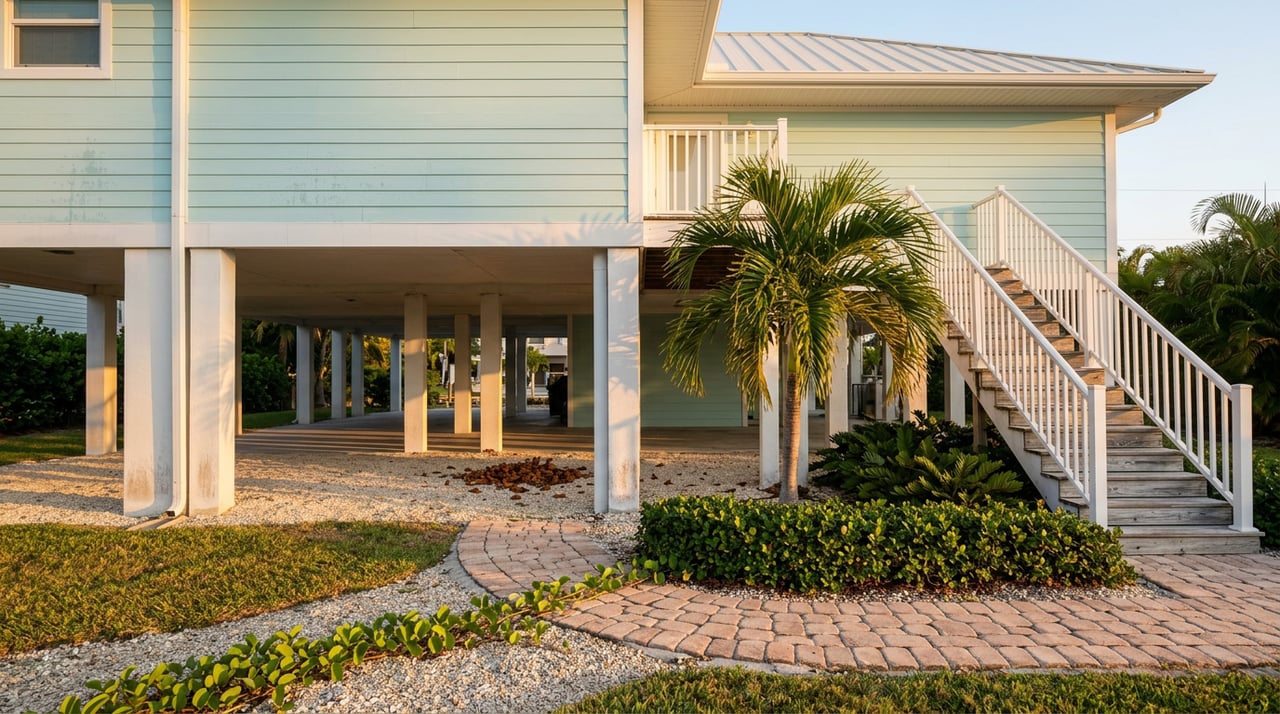
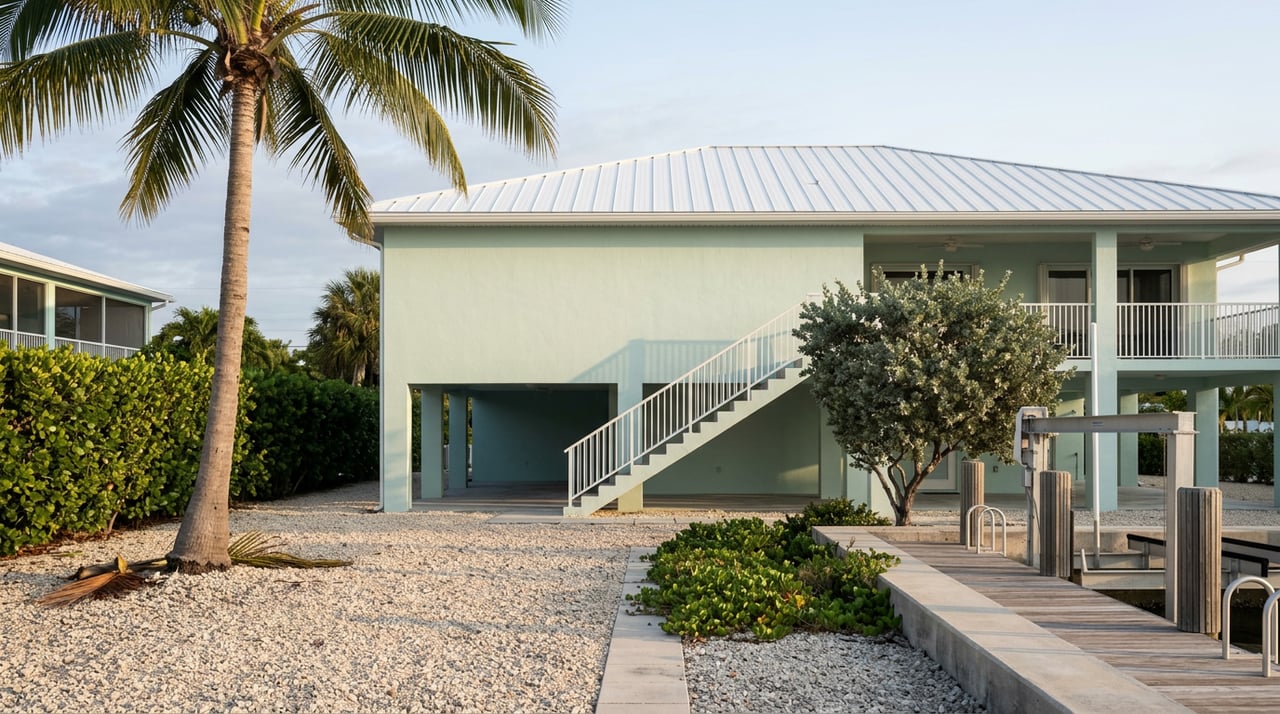
Marathon sits in the Middle Keys and attracts boaters, anglers, divers, and families. Waterfront features drive meaningful premiums on rates and occupancy, especially when a property includes a dock, boat lift, pool, or recent renovations. Guest demand is largely domestic leisure with repeat visitors and seasonal snowbirds.
Seasonality is real here. High season usually runs from December through April, with stronger rates and longer booking windows. Shoulder months can be variable, and events like fishing tournaments or holiday weekends create short spikes. Low season is commonly June through November, when rates and occupancy soften and cancellations can rise.
To benchmark your assumptions, pull comps from trusted data providers. Tools like AirDNA market data and AllTheRooms Analytics can help you gauge local ADR trends, occupancy, and booking windows. Cross-check those figures with a few active listings’ calendars and with input from on-island property managers.
Build your revenue model
Your goal is to build a 12-month, month-by-month model that reflects Marathon’s seasonality. Start with real data from the property if available, then layer in market comps.
Define the key metrics
- ADR (Average Daily Rate): Average paid nightly rate, excluding any guest-paid cleaning fees.
- Occupancy rate: Occupied nights divided by available nights.
- Nights available: Total days you plan to rent, minus owner use and maintenance blocks.
- Gross rental revenue: ADR times occupied nights, plus any guest-paid cleaning fees if you include them in revenue.
- Net operating income (NOI): Gross revenue minus platform fees, cleaning, management, utilities, insurance, maintenance reserves, and applicable taxes not remitted by a platform.
Forecast month by month
- Set nights available for each month, reflecting any owner stays and typical downtime.
- Apply a realistic occupancy per month that reflects seasonality. Winter months should be higher than late summer and early fall.
- Assign ADR per month rather than an annual average. Winter ADRs often outpace summer ADRs.
- If you charge guests a cleaning fee, decide whether you will treat that fee as revenue or as a pass-through to offset cleaning expense. Be consistent.
Include all operating costs
Use a detailed expense list so your NOI reflects true operating performance:
- Platform host fees and payment processing.
- Cleaning fees paid to vendors and any restocking.
- Property management fees. Full-service programs here often range from 15 to 35 percent of gross revenue.
- Utilities: electricity, water/sewer, internet/cable, trash. Coastal homes can run higher due to AC, dehumidification, pools, and dock equipment.
- Insurance: policies that cover short-term rental use, plus wind and flood where applicable.
- Routine maintenance reserve: many investors budget 5 to 10 percent of gross revenue, adjusting for age, dock systems, and coastal exposure.
- Capital reserve: large items like roof, HVAC, windows, or dock replacements should be reserved for separately.
- HOA or condo fees, if applicable.
- Sales and transient taxes. Confirm whether your booking platform remits some or all taxes in this jurisdiction and model any taxes you must pay directly.
Local taxes and rules
Florida applies sales tax to short-term rentals, and local jurisdictions add transient or tourist development taxes. Platform policies vary by market. Some platforms collect and remit certain taxes, while you may still be responsible for filings or additional local taxes.
Before you list, verify current rules with the state and local offices. Review statewide guidance through the Florida Department of Revenue. For on-island requirements like business tax receipts, permits, and transient rental rules, check the City of Marathon and the Monroe County websites. Regulations can include registration, safety inspections, occupancy limits, parking, and signage. If the property is in an HOA or condo, request the governing documents and confirm rental restrictions and minimum stays.
Insurance and hurricane risk
Insurance for a Keys vacation rental is different from a primary residence. Budget for STR-friendly coverage, windstorm coverage, and flood insurance if required by your lender or flood zone. Many Marathon homes sit in FEMA flood zones, and premiums can be significant. You can research flood risk using FEMA flood maps.
Hurricane season runs June through November. Prepare for potential downtime for boarding, evacuations, and post-storm repairs. It is wise to model both an annual contingency reserve and specific downtime scenarios. For general timing and preparedness, review resources from NOAA.
Example scenarios (hypothetical)
Below are three illustrative examples to show how different ADR, occupancy, and cost assumptions affect your results. Replace every number with real data from your comps and seller documents.
Scenario A — Conservative (hypothetical)
- ADR: $300
- Occupancy: 45 percent, with 151 occupied nights
- Gross rental revenue: $45,300
- Cleaning collected: about $4,560; cleaning payouts estimated at $3,500
- Platform fees (3 percent): $1,359
- Management fee (25 percent): $11,325
- Utilities: $6,000
- Insurance and property tax allocation: $7,000
- Maintenance reserve (7 percent): $3,171
- Estimated NOI: about $12,945
Scenario B — Base (hypothetical)
- ADR: $425
- Occupancy: 55 percent, with 184 occupied nights
- Gross rental revenue: $78,200
- Cleaning collected: about $5,550; cleaning payouts about $4,500
- Platform fees (3 percent): $2,346
- Management fee (22 percent): $17,204
- Utilities: $7,500
- Insurance and property tax allocation: $9,000
- Maintenance reserve (6 percent): $4,692
- Estimated NOI: about $33,958
Scenario C — Optimistic (waterfront, hypothetical)
- ADR: $650
- Occupancy: 65 percent, with 218 occupied nights
- Gross rental revenue: $141,700
- Cleaning collected: about $7,200; cleaning payouts about $5,400
- Platform fees (3 percent): $4,251
- Management fee (20 percent): $28,340
- Utilities: $10,000
- Insurance and property tax allocation: $12,000
- Maintenance reserve (5 percent): $7,085
- Estimated NOI: about $74,624
Note how the optimistic case assumes a waterfront property with strong amenities. That can support higher ADR and occupancy in Marathon. Also notice the impact of management fees and utilities on NOI. Small changes in ADR and occupancy can swing returns more than you might expect.
Sensitivity testing
Do not stop at one forecast. Build a quick sensitivity grid to see how NOI changes when rates or occupancy shift.
- Vary ADR by plus or minus 10 to 25 percent across several rows.
- Vary occupancy by plus or minus 5 to 15 percent across columns.
- Recalculate NOI for each cell. This reveals how seasonal dips or slower booking pace may affect cash flow.
- Test different management fee structures, such as self-managing, 20 percent, or 30 percent. The difference compounds across the year.
- Calculate break-even occupancy for a typical month. Divide your fixed monthly costs by ADR times available nights to see the occupancy you need to cover expenses.
Due diligence checklist
Ask the seller and property manager for 12 to 36 months of records. If anything is missing or inconsistent, treat it as a signal to dig deeper.
Booking and revenue
- Channel statements from Airbnb, VRBO, and others for each month.
- Owner ledger showing gross bookings, fees, taxes collected or remitted, and payouts.
- Booking calendars, including blocked dates and owner stays.
- Historical ADR and occupancy by month, average length of stay, cancellations, and chargebacks.
Operations and costs
- Cleaning invoices and contractor agreements.
- Property management agreement, fees, services, and termination clauses.
- Utility bills for 12 to 36 months.
- Maintenance and repair invoices, including dock and pest control.
- Insurance declarations for STR use, wind, and flood, plus property tax statements.
Legal and risk
- City of Marathon and Monroe County business tax receipts, STR registrations, and permits.
- HOA or condo CC&Rs and any rental restrictions.
- Any code enforcement notices or complaints.
- Flood elevation certificate and recent property photos or condition reports.
- Evidence of hurricane shutters, impact windows, or other mitigation.
Market context
- Comparable active and recently booked STRs, with ADR and occupancy.
- Local events calendar for peak dates that affect rates.
Put it together with local help
A strong model blends real booking history, verified expenses, and Marathon-specific risk. Build your month-by-month forecast, test downside cases, and confirm tax and permit requirements. If a property pencils out after sensitivity testing, you will feel much more confident about closing and onboarding it for rentals.
If you want hands-on help, you can lean on a local team that lives and works here. Barefoot in the Keys pairs buying support with on-the-ground insight and integrated property-management solutions through Island Breeze. Ready to talk strategy for your Marathon search? Schedule a free consultation with Jen Davis.
FAQs
What ADR and occupancy should I expect for a Marathon short-term rental?
- There is no single number; use market comps from sources like AirDNA and AllTheRooms Analytics, model a conservative/base/optimistic range, and reflect winter highs and summer/fall lows.
How do Florida and local taxes affect net income for a Keys rental?
- Model state sales tax plus local transient taxes, confirm what your platform remits, and plan to register and file as required using guidance from the Florida Department of Revenue and local offices.
What should I budget for management and maintenance in Marathon?
- Full-service management often ranges from 15 to 35 percent of gross revenue, and many owners set a 5 to 10 percent maintenance reserve, adjusting for property age, docks, pools, and coastal exposure.
How do I model hurricane risk for a Marathon vacation rental?
- Include an annual reserve and a downtime scenario with 30 to 60 days off-market plus repair costs; review wind and flood coverage and flood zone details using FEMA flood maps and seasonal timing from NOAA.
What documents should I request before I buy a Marathon STR?
- Ask for 12 to 36 months of channel statements, owner ledgers, utility bills, cleaning and management contracts, insurance declarations, permits, HOA rules, flood elevation certificates, and any code or compliance records from the City of Marathon and Monroe County.