Wondering how to choose the right condo community in Key Colony Beach when several oceanfront options can look similar at first glance? If you are buying a second home, a full-time place in the Keys, or a condo with rental potential, the details behind each community matter more than many buyers expect. From rental minimums and pet rules to dockage limits, reserves, and building age, this is where the right fit becomes clear. Let’s dive in.
Why Key Colony Beach condo choices feel different
Key Colony Beach is a small island city with a strong resort and vacation-home feel, and city rules play a big role in ownership. The city’s current rules include a 7-night minimum for short-term rentals, occupancy limits based on bedroom count and square footage, limits on pets at the city level, and specific rules for boat and trailer parking. That means your condo choice is not only about views and amenities, but also about how you plan to use the property.
The broader island lifestyle also shapes the decision. Buyers often weigh access to beach amenities, the private Cabana Club, and the city’s 9-hole par 3 golf course alongside the condo itself. In a market like this, the best community for you is the one that matches both your daily routine and your long-term goals.
Start with your real goal
Before comparing buildings, get clear on how you want the condo to work for you. A beach-focused vacation home, a weekly rental property, and a low-maintenance seasonal retreat can each point you toward a different community. When your goal is clear first, the tradeoffs become easier to spot.
Ask yourself a few simple questions:
- Do you want weekly rental flexibility?
- Is direct beach access more important than boating access?
- Do you need pet-friendly rules?
- Will you want on-site rental support or easier owner management?
- Are you comfortable with an older building if the amenities and location fit?
- Do you prefer newer construction with potentially different cost dynamics?
These answers help narrow your options quickly in Key Colony Beach.
Compare the main condo communities
Several well-known condo communities in Key Colony Beach serve different buyer needs. Some lean toward classic oceanfront living, while others are better suited to weekly rentals or newer-construction appeal.
Casa Clara
Casa Clara is an established oceanfront community at 201 E Ocean Drive. Recent sources describe it as a 1975 building with 82 units, with 2-bedroom, 2-bath condos generally around 994 to 1,121 square feet. Its draw is clearly beach-first living, with a heated oceanfront pool, direct beach access, tennis, pickleball, shuffleboard, and a fishing pier.
For buyers who may rent occasionally, on-site rental management is available. Its rental rules are more restrictive than some nearby options, with a 14-night minimum, a maximum occupancy of 4, no pets, and no trailers. If you want a classic oceanfront setting and longer-stay rental patterns, Casa Clara may stand out.
Sea Isle
Sea Isle is a 36-unit community across three buildings at 1101 W Ocean Drive. It offers a private sand beach, heated pool, Tiki hut, grills, shuffleboard, assigned parking, and guest parking. The feel is convenient and resort-oriented, which appeals to buyers who want easy owner use and guest appeal.
Its rental policy supports a weekly model, with a 7-night minimum and a 4-person maximum. Sea Isle also differs from some communities because boats or trailers are permitted. If boating and weekly rentals are both high on your list, this community deserves a close look.
Key Colony Point
Key Colony Point is a 31-unit private oceanfront condominium and townhome community at 1133 W Ocean Drive. The property includes 2-bedroom and 3-bedroom options and highlights roughly 3 acres of oceanfront amenities, including a heated pool, hot tub, sports court, fishing pier, beach areas, and assigned parking. For buyers who want more outdoor amenity space, this can be a meaningful advantage.
Its rental policy includes a 7-night minimum and no pets. A key detail is the boating limitation: boats may only pick up and drop off, since overnight docking and extended stays are not permitted. If your lifestyle is beach-centered rather than dock-centered, that may be fine. If not, this is the kind of rule that can quickly change the fit.
Key Colony Beach Club
Key Colony Beach Club at 501 E Ocean Drive is the newest option in this group. Recent listings describe it as a 2023-built oceanfront community with weekly rentals permitted, 2-bedroom, 2-bath units, a heated oceanfront pool, private sandy beach, Tiki huts, elevator access, private storage, covered parking for two vehicles, and a fishing pier that was still being completed during the listing period.
One recent listing also noted that the quarterly HOA included cable, Wi-Fi, water, and building insurance. For buyers who like the idea of newer construction and weekly rental use, this community may offer a different ownership profile than older buildings. It is still important to review current condo documents carefully, but newer construction can be appealing when you are comparing maintenance exposure and reserve planning.
Look beyond the view and amenities
In Key Colony Beach, condo shopping should always include a close look at ownership costs and building condition. Two condos with very similar ocean views can carry very different monthly costs depending on reserves, insurance, maintenance history, and pending repairs. This is especially important in Florida’s current condo environment.
For qualifying condominium buildings that are three habitable stories or higher, Florida requires structural integrity reserve studies and milestone inspections on a set schedule. The Florida Department of Business and Professional Regulation says those records are part of the association records and must be available to potential purchasers. In plain terms, you should review these materials before you commit.
Why HOA dues need context
HOA dues are not just a line item. They reflect what the association covers and how the building is being maintained over time. In one community, dues may include items like water, cable, internet, or building insurance, while in another they may not.
That is why the better question is not “Are the dues high?” but “What do the dues cover, and what future costs might still be coming?” A condo with lower dues can still become more expensive if reserves are thin or a special assessment is on the horizon.
Rental rules can change the whole decision
If rental income matters to you, the minimum stay policy is one of the first things to verify. In this group alone, Casa Clara uses a 14-night minimum, while Sea Isle, Key Colony Point, and Key Colony Beach Club allow 7-night rentals based on the sources reviewed. That difference affects booking flexibility, guest turnover, and the overall operating style of the property.
It also affects who the condo tends to attract. A community oriented toward longer stays may feel different from one designed around weekly vacation use. Neither is automatically better. It simply depends on whether you want a quieter ownership pattern, easier scheduling flexibility, or a stronger fit for vacation-rental demand.
Check occupancy and guest rules
Occupancy is another easy detail to overlook. City rules set occupancy based on bedroom count and square footage, and associations may also have their own limits or rental rules. Before buying, make sure the city license and the HOA rules line up with how you expect the property to be used.
You should also ask about deposits, cleaning standards, cancellation policies, and quiet-hour rules. These details shape the owner and guest experience more than many buyers realize.
Boating questions matter more than waterfront photos
A waterfront address does not always mean the same thing for boaters. In Key Colony Beach, city rules allow only one recreational vehicle, boat, utility trailer, or similar trailer within the property boundaries per dwelling unit, allow limited off-site boat-trailer parking in a designated 8th Street area, and prohibit living aboard vessels. So if boating is part of your lifestyle, you need details, not assumptions.
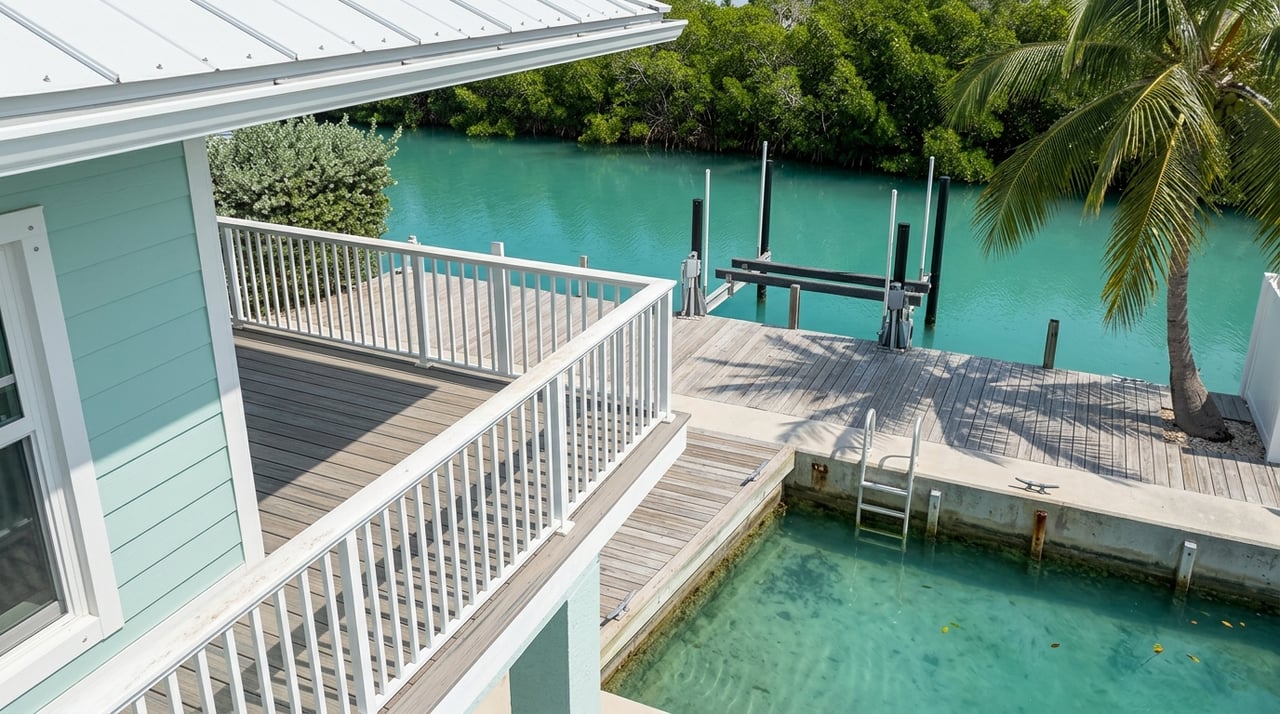
Ask whether the condo offers deeded slips, assigned slips, shared dockage, a fishing pier only, or pickup-and-drop-off access. Those are very different ownership experiences. Key Colony Point, for example, allows pickup and drop-off only, which may work for some buyers but not for owners who want overnight dockage.
Trailer and parking rules deserve a close read
Parking and trailer storage can be just as important as dockage itself. Some communities permit boats or trailers, while others do not. City rules can also be stricter or simply different from condo rules, so reviewing both is essential.
This is one of the easiest places for buyers to make assumptions. A condo may look ideal online, but if you cannot store or use your boat the way you planned, it may not be the right match.
Pets are not a simple yes or no
Pet rules in Key Colony Beach can be confusing if you only look at city regulations. The city allows up to two pets, but several condo communities reviewed here use no-pet policies. That means the condo rule can be more restrictive than the city baseline.
If you have a pet, or think you may in the future, confirm the current association policy in writing. This is especially important in a market where many resort-style communities aim to keep usage patterns tightly managed.
Questions to ask on every tour
A good condo tour in Key Colony Beach should go well beyond finishes and views. You want to understand how the community functions day to day, what your ownership costs may look like, and whether the rules fit your plan.
Bring this checklist with you:
- What is the minimum rental period?
- Does the association allow weekly rentals?
- How many people can legally occupy the unit?
- Do the city occupancy limits and HOA rules match?
- Are pets allowed by both the city and the HOA?
- Is dockage deeded, assigned, shared, or limited to pickup and drop-off?
- Can a boat trailer, RV, or personal-watercraft trailer be stored on-site?
- What do the HOA dues cover?
- Are there any current or pending special assessments?
- Has the building completed any required milestone inspection or structural integrity reserve study?
- Are there quiet-hour, pool, pier, or parking rules that would affect your use?
- If you plan to rent, what deposits, cleaning rules, and cancellation terms apply?
How to choose with confidence
The right condo community in Key Colony Beach usually comes down to lifestyle fit first, then operating costs, then rules. If you love the beach and longer stays, one building may rise to the top. If you want weekly rentals, boating flexibility, or newer construction, a different community may make more sense.
This is where local guidance can save you time and help you avoid expensive surprises. When you compare condo documents, rental rules, reserve planning, and real day-to-day use patterns side by side, the best choice often becomes much clearer.
If you want help comparing condo communities in Key Colony Beach, planning a remote showing, or finding a property that fits your lifestyle and rental goals, Jen Davis is here to help.
FAQs
What should buyers compare first when choosing a condo community in Key Colony Beach?
- Start with your intended use, including whether you want personal use, weekly rentals, longer seasonal stays, boating access, or a lower-maintenance ownership style.
What rental rules matter most for Key Colony Beach condos?
- The most important details are the minimum rental period, occupancy limits, guest rules, deposits, cleaning requirements, and whether the association’s rules align with city requirements.
What boating questions should condo buyers ask in Key Colony Beach?
- Ask whether dockage is deeded, assigned, shared, pickup-and-drop-off only, or not available, and confirm any rules on trailer parking, overnight docking, and on-site storage.
What condo cost questions should buyers ask in Key Colony Beach?
- Ask what the HOA dues cover, whether there are current or pending special assessments, and whether required reserve studies or milestone inspections have been completed if applicable.
What pet rules apply to condo communities in Key Colony Beach?
- Buyers should check both city and HOA rules because the city may allow pets while specific condo communities may still have no-pet policies.
What makes newer and older condo buildings different in Key Colony Beach?
- Differences can include reserve funding needs, maintenance history, insurance exposure, inspection requirements, amenities, and the likelihood of deferred repair costs affecting future ownership expenses.